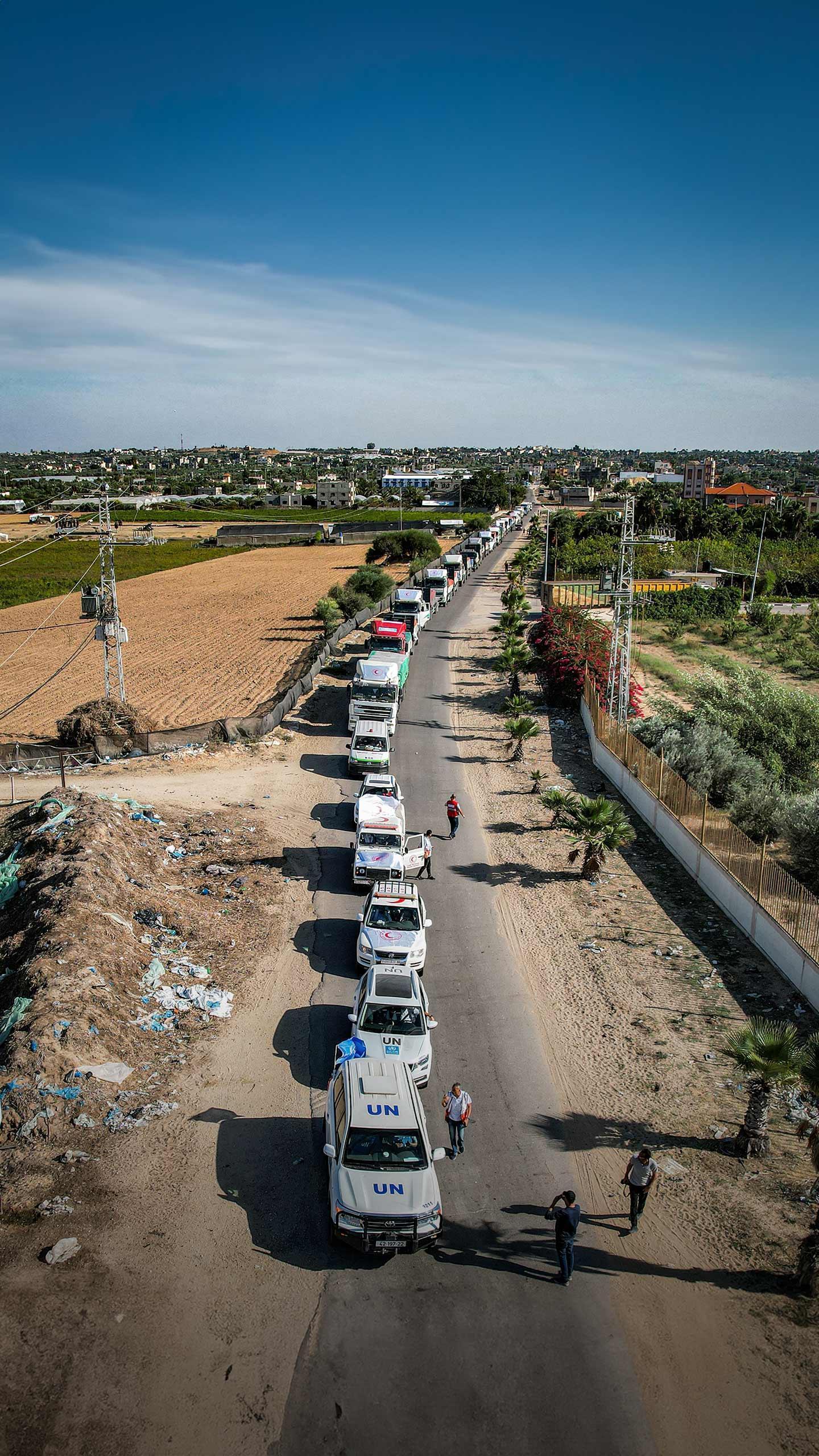
UN Peacekeeping Mission in Western Sahara Ends After 35 Years Amid US-Russia Standoff

What's Happening?
The United Nations' long-standing peacekeeping mission in the disputed Western Sahara concluded operations on Sunday after 35 years. This cessation of the mission, known as MINURSO, resulted from a diplomatic
impasse between the United States and Russia at the UN headquarters regarding the territory's future. On Friday, Russia vetoed a draft U.S. resolution that would have supported Morocco's claim of sovereignty over Western Sahara and ended the mission next year. Subsequently, a rival Russian resolution to extend the mission was voted down, leading to the abrupt termination of the force's mandate. The mission, established in 1991, had been repeatedly extended. Stéphane Dujarric, spokesperson for the UN secretary-general, announced that November 1, 2026, marks the start of a liquidation period, during which a smaller UN team will oversee the transportation of assets and disposal of equipment. The UN secretary-general has called on all parties to respect the rights of the people of Western Sahara and expressed concern about the security situation, urging maximum restraint.
Why It's Important?
The termination of the UN peacekeeping mission in Western Sahara raises significant concerns about regional stability. Western Sahara, a vast desert territory rich in minerals and fisheries, is claimed by both Morocco and the pro-independence Polisario Front. Morocco views the non-renewal of the mission as a positive development, calling it an 'instrument to internationalize the dispute,' while the Polisario Front, backed by Algeria, has deemed it an 'unacceptable decision.' The Algerian foreign ministry also expressed regret and criticized the U.S. draft resolution for its 'excessive bias.' This development could exacerbate tensions between Morocco and Algeria, regional heavyweights whose rivalry is deeply intertwined with the Western Sahara issue. The Polisario Front withdrew from a ceasefire in 2020, and the territory has since experienced low-intensity hostilities, making the absence of a UN peacekeeping presence a potential catalyst for further escalation.
What's Next?
With the UN peacekeeping mission officially ended, the immediate future of Western Sahara is uncertain, with increased risks of escalating hostilities. The UN secretary-general has urged all parties to exercise maximum restraint, indicating ongoing concerns about the security situation. The liquidation period for MINURSO will commence on November 1, 2026, during which UN assets will be managed. The Polisario Front, which seeks independence for the Sahrawi people, and Morocco, which considers the territory its southern provinces, will likely continue their diplomatic and political maneuvers. The diplomatic rift between the U.S. and Russia over the territory's future at the UN Security Council suggests that international consensus on a resolution remains elusive. The end of the mission could also intensify the rivalry between Morocco and Algeria, potentially fueling an arms race in the region, as Algeria arms, funds, and hosts the Polisario Front.
Beyond the Headlines
The cessation of the UN peacekeeping mission in Western Sahara highlights the enduring complexities of decolonization and self-determination in the post-colonial era. The UN classifies Western Sahara as a 'non-self-governing territory,' and critics of Morocco's control refer to it as Africa's last colony. The failure to hold a self-determination referendum, initially planned as part of the 1991 ceasefire agreement, underscores the deep-seated disagreements over voter eligibility and the territory's ultimate status. The withdrawal of the UN mission could be seen as a setback for international efforts to resolve protracted territorial disputes through multilateral mechanisms. Furthermore, the U.S.-Russia standoff at the UN Security Council reflects broader geopolitical tensions, where regional conflicts become arenas for great power competition, potentially undermining stability and humanitarian considerations in favor of strategic interests.