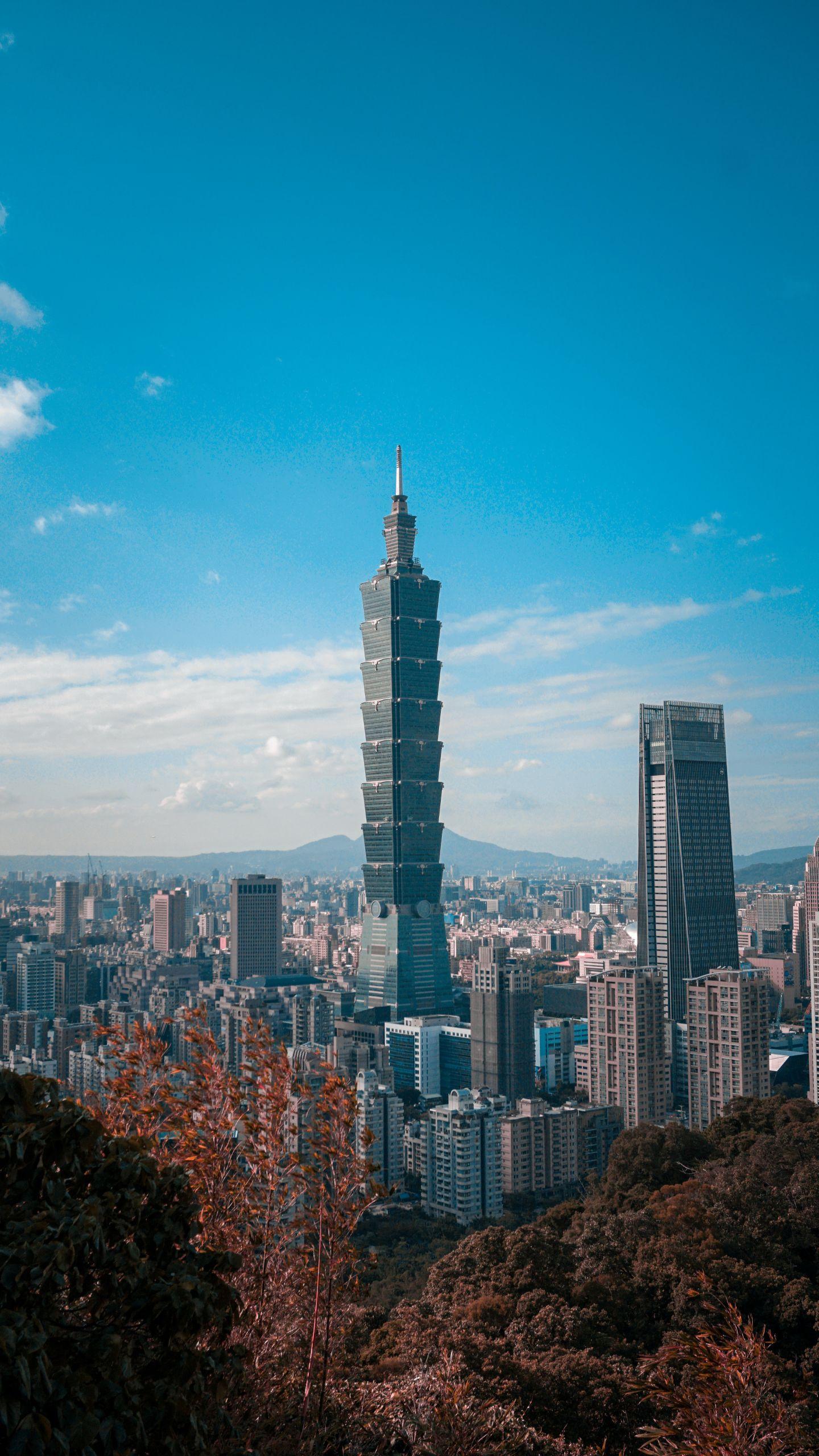
Pentagon to Station Military Representatives Directly Within Taiwan's Defense Ministry

What's Happening?
The Pentagon is set to station two representatives directly within Taiwan’s defense ministry, a move planned to extend through 2028. These representatives will focus on coordinating policy and assessing
combat capabilities. This initiative signifies a notable shift in U.S.-Taiwan military cooperation. Historically, U.S. military engagement with Taiwan has largely been facilitated through the American Institute in Taiwan (AIT), which serves as Washington's de facto embassy. The direct placement of personnel within Taiwan's defense ministry bypasses this traditional channel, indicating a more integrated and direct approach to military collaboration. While the U.S. has maintained a presence of military trainers and other low-profile personnel in Taiwan for an extended period, this new arrangement marks a departure from previous organizational structures. The objective is to enhance the coordination of defense policies and improve the assessment of Taiwan's combat readiness, reflecting a deepening of the strategic partnership between the two entities.
Why It's Important?
This direct stationing of U.S. military representatives within Taiwan's defense ministry carries significant implications for U.S. foreign policy and regional security in East Asia. It underscores a heightened commitment from the U.S. to bolster Taiwan's defense capabilities and strategic autonomy. This move could be interpreted as a stronger deterrent against potential aggression, particularly given the complex geopolitical landscape surrounding Taiwan. For the U.S., it represents a more hands-on approach to ensuring Taiwan's security, potentially streamlining communication and operational planning. It also signals a recalibration of U.S. engagement, moving towards more direct military-to-military ties rather than relying solely on diplomatic intermediaries. This enhanced cooperation could lead to more effective joint training exercises, intelligence sharing, and the development of integrated defense strategies, ultimately strengthening Taiwan's ability to defend itself and contributing to regional stability. The shift also highlights the U.S.'s strategic interest in maintaining a balance of power in the Indo-Pacific.
What's Next?
The direct stationing of U.S. military representatives is expected to lead to more integrated defense planning and policy coordination between the U.S. and Taiwan. This could manifest in more frequent and complex joint military exercises, enhanced intelligence sharing protocols, and a more streamlined process for assessing and addressing Taiwan's defense needs. Reactions from major stakeholders are anticipated, with potential for increased scrutiny and commentary from international actors. The move may also prompt further discussions within the U.S. Congress regarding the scope and nature of U.S. military assistance to Taiwan. Over the coming years, the effectiveness of this direct engagement in improving Taiwan's combat capabilities and deterring potential threats will be closely monitored. The arrangement is set to continue through 2028, suggesting a long-term commitment to this new model of cooperation.
Beyond the Headlines
This development transcends mere military cooperation, touching upon deeper geopolitical and diplomatic implications. The direct placement of U.S. personnel within Taiwan's defense apparatus could be seen as a subtle but significant shift in the U.S.'s 'strategic ambiguity' policy towards Taiwan, potentially signaling a more overt commitment to its defense. This could have profound effects on regional power dynamics, influencing the calculations of various state and non-state actors. Ethically, it raises questions about sovereignty and the extent of external influence in a nation's defense structure. Legally, while the U.S. maintains unofficial relations with Taiwan, this move pushes the boundaries of traditional diplomatic engagement. Culturally, it could foster closer ties between the military establishments of both entities, potentially leading to a greater understanding of each other's operational doctrines and strategic cultures. The long-term shift could be towards a more formalized, albeit unofficial, military alliance, reshaping the security architecture of the Indo-Pacific.