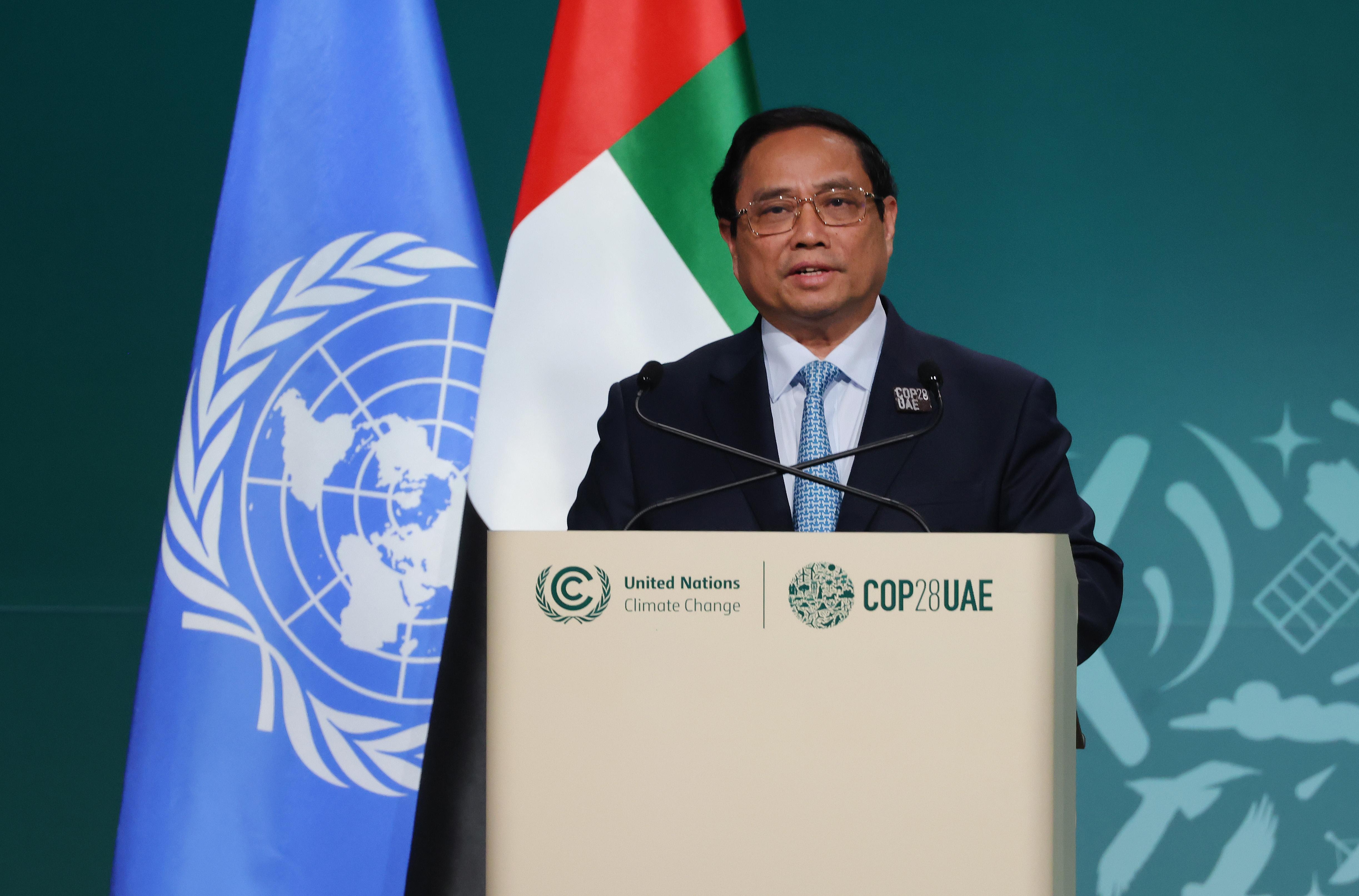
UN Climate Summit COP31 in Turkey to Focus on Implementation Amidst U.S. Absence

What's Happening?
The thirty-first Conference of the Parties (COP31) to the UN Framework Convention on Climate Change is scheduled to take place in Antalya, Turkey, from November 9 to 20. This year's summit is significant
as it marks the tenth anniversary of the Paris Agreement's entry into force. Notably, the United States, which formally withdrew from the agreement earlier this year and is historically the biggest emitter, will not send an official delegation, though members of Congress and U.S. businesses will still attend. COP31 president Murat Kurum aims to move beyond climate pledges to concrete implementation of existing commitments, introducing an Action Agenda with 10 themes, including clean energy transition, zero waste, methane reduction, and climate-resilient cities. Voluntary pledges, such as increasing electricity's share of total energy consumption to 35% by 2035 and promoting sustainable artificial intelligence, are also on the agenda.
Why It's Important?
The absence of an official U.S. delegation at COP31 is a critical development, potentially impacting the summit's momentum and the global perception of climate action. While U.S. businesses and congressional members will be present, the lack of formal governmental representation could diminish the U.S.'s influence in shaping international climate policy and commitments. The focus on implementing existing commitments rather than new pledges reflects a growing global impatience with rhetoric over action, which could pressure other nations, including the U.S., to demonstrate tangible progress. The U.S. economy, particularly its energy and technology sectors, stands to be significantly affected by global shifts towards clean energy and sustainable AI, regardless of its official stance at COP31. The outcome of the summit could influence international trade, investment, and regulatory environments, creating both challenges and opportunities for U.S. industries.
What's Next?
COP31 is expected to cover familiar discussion points, including climate finance, emissions reduction, and funding for loss and damage, with finance likely being the most contentious issue. Developing nations will continue to press developed countries to meet existing funding commitments, such as mobilizing at least $300 billion per year in climate finance by 2035. The summit will also address the transition away from fossil fuels, a recurring point of contention. The Mitigation Work Program, aimed at accelerating emissions reductions, will be a key focus, though nations have struggled to agree on its terms. The delay in science-based reporting by the IPCC and uncertainty surrounding national elections, including in the U.S., pose significant headwinds to climate action. The U.S. political landscape, particularly control over Congress, will determine if climate change regains prominence in national policymaking.
Beyond the Headlines
The diminished media coverage of climate change and the lowest journalist attendance at a COP lead-up meeting since 2021 suggest a potential decline in public and political urgency surrounding the issue. This trend, coupled with the U.S.'s official absence, could signal a broader challenge to maintaining global climate ambition. The emphasis on implementation at COP31 highlights a critical juncture where the effectiveness of international climate diplomacy is being questioned. While major breakthroughs are not anticipated, the continued convening of nations through this formal channel underscores the enduring importance of climate action. The long-term implications for the U.S. include navigating a global landscape where its climate policies may diverge from international norms, potentially affecting its diplomatic standing and economic competitiveness in green technologies.