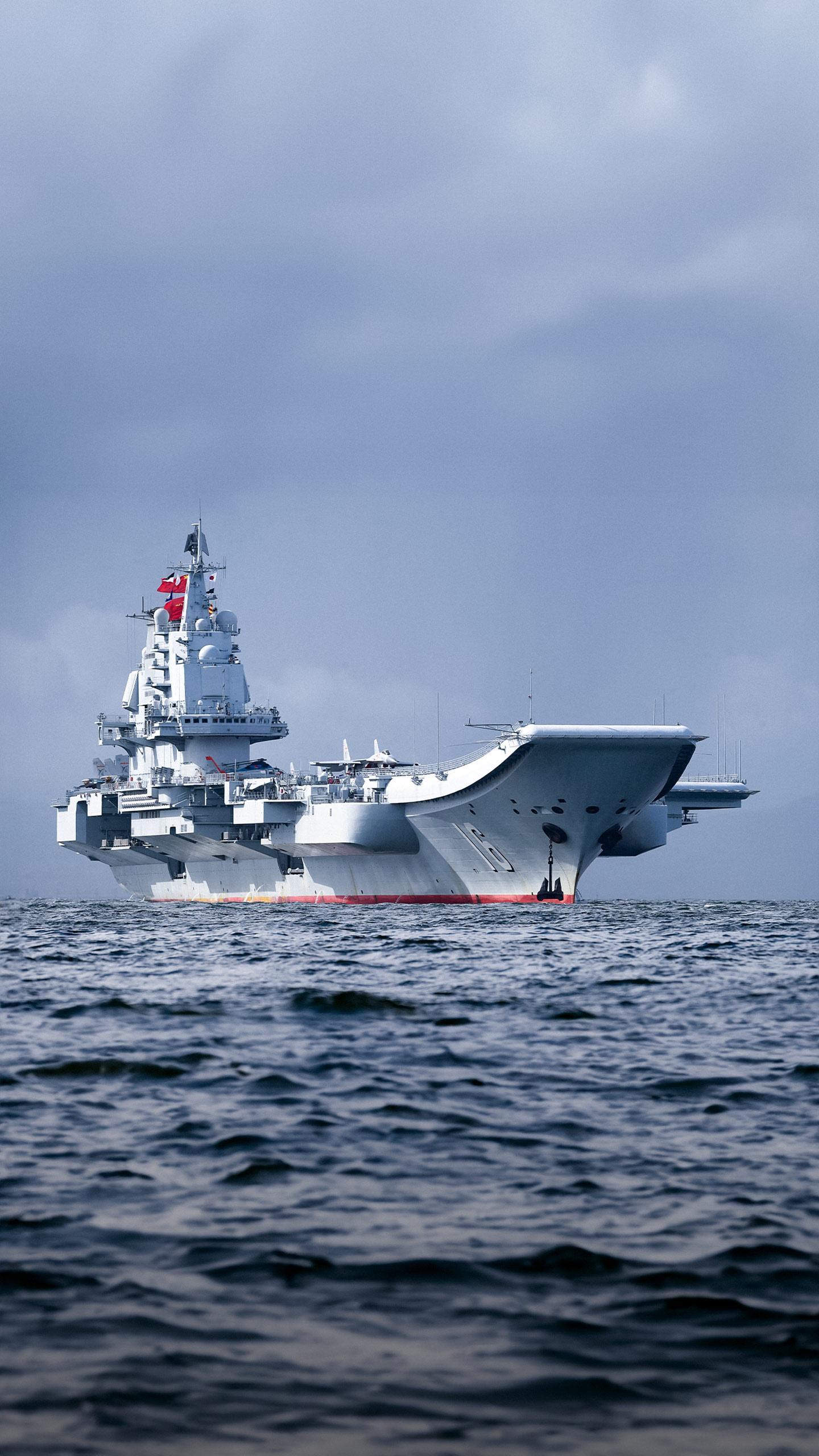
U.S. Navy Destroyer USS Benfold Loses Power for Four Days in South China Sea

What's Happening?
The U.S. Navy guided-missile destroyer USS Benfold experienced a four-day power outage last month while operating in the South China Sea. The incident, which occurred on July 24, was due to an engineering
failure involving the warship's generators. During this period, the USS Benfold was without working toilets, galley services, and air conditioning in the high temperatures of the South China Sea, which averaged between 89 and 98 degrees Fahrenheit. Navy Cmdr. Matthew Comer, spokesperson for the 7th Fleet, confirmed that there were no injuries to the crew, who demonstrated resilience in their response. The cause of the power outage is currently under investigation. The USS Benfold was eventually towed to Subic Bay in the Philippines for repairs, which were completed by August 8, allowing the ship to return to duty. A second U.S. warship, the guided-missile cruiser USS Robert Smalls, provided cooked meals to the Benfold during the power loss, and other ships from the Japan-based USS George Washington Carrier Strike Group also provided aid.
Why It's Important?
This incident highlights increasing concerns about the operational readiness and strain on the U.S. Navy, particularly given its global commitments and the demands of ongoing conflicts. Analysts and Democratic lawmakers have pointed to the Navy being stretched thin, with previous reports citing low morale and mental health concerns aboard other vessels, such as the USS Abraham Lincoln, which endured over 200 days without a port call. The power loss on the USS Benfold, an Arleigh Burke-class destroyer—a workhorse of the U.S. Navy's surface fleet—underscores potential vulnerabilities in maintaining a high operational tempo. Such engineering casualties can compromise mission effectiveness, crew welfare, and the Navy's ability to project power in critical regions like the Indo-Pacific. The incident also draws attention to the challenging conditions faced by sailors, especially in extreme environments, and the critical importance of reliable infrastructure for sustained naval operations.
What's Next?
The investigation into the cause of the USS Benfold's power outage will be crucial in identifying systemic issues and implementing corrective measures to prevent similar incidents. This could lead to enhanced maintenance protocols, equipment upgrades, or changes in operational deployment strategies for U.S. Navy vessels. The incident may also fuel further discussions among lawmakers and defense officials regarding the allocation of resources to address the Navy's global commitments and the well-being of its personnel. Given the ongoing scrutiny of the Navy's operational strain, there might be increased calls for comprehensive reviews of fleet readiness and crew support systems. The Navy's ability to maintain its presence and effectiveness in strategically important areas like the South China Sea will depend on its capacity to address these engineering and logistical challenges.
Beyond the Headlines
The power outage on the USS Benfold, while an isolated incident, contributes to a broader narrative about the challenges facing modern navies, particularly those with extensive global responsibilities. It underscores the complex interplay between technological sophistication, maintenance demands, and human factors in military operations. The incident also implicitly raises questions about the geopolitical implications of naval presence in contested regions like the South China Sea. Any perceived vulnerability in U.S. naval assets could be interpreted by rival powers, potentially influencing regional dynamics. Furthermore, the emphasis on crew resilience and the provision of aid from other ships highlight the critical importance of teamwork and logistical support in maintaining operational continuity under adverse conditions. This event serves as a reminder that even the most advanced military forces are susceptible to mechanical failures, and that continuous investment in maintenance, training, and personnel welfare is paramount.